

Bring ENID into the work—on your terms
Together, we help you deliver the work already entrusted to you, identify the conditions required for it to succeed, and provide credible evidence of what the business may need next.
What to ExpectYou may have been hired to lead a specific transformation initiative, but that initiative rarely operates in isolation. Its success can depend on roles, workflows, decisions, information, and technology that fall outside the original project boundary.
ENID Studio partners with program managers, transformation leaders, and fractional executives to understand the larger system surrounding an initiative—without disrupting your business relationship or unnecessarily expanding the scope. You lead the relationship. ENID strengthens the work.
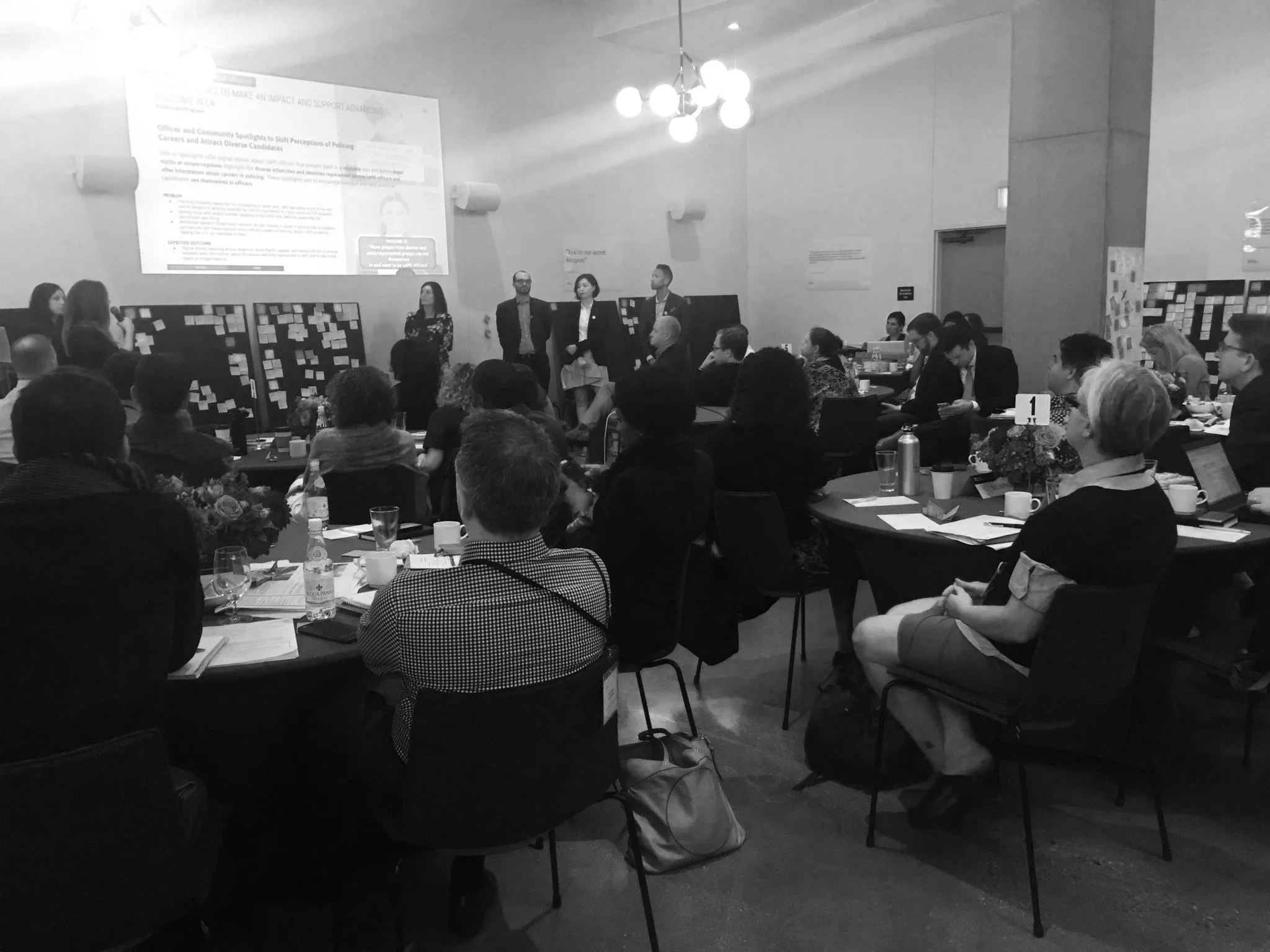
Bring ENID into the engagement
You can apply ENID’s approach yourself with private coaching and advisory support.
Bring us an active initiative, difficult decision, system map, stakeholder challenge, or proposed roadmap. We will help you see what may be missing, distinguish immediate requirements from future opportunities, and prepare you to lead the work with greater confidence.
Best when:
you already have the authority and capacity to lead the work
the client does not need another visible consultant
you want support applying a participatory or integrative approach
you need a confidential thought partner before meeting with stakeholders
you want to build your own human-systems capability

Work with ENID behind the scenes
Invite ENID to facilitate a focused workshop or learning series for your internal team, delivery partners, or client stakeholders.
Sessions combine practical instruction with application to a real initiative. Participants leave with shared language, useful working artifacts, and a clearer way to make decisions together.
Available areas include:
Work Design: Clarify roles, responsibilities, decision rights, and the appropriate division of work between people, automation, and AI.
Operations Transformation: Understand workflows, handoffs, information, technology, and operational dependencies.
Integrative Design: See the initiative within the larger system and develop better alternatives when important objectives appear to conflict.
Participatory Design: Involve the people affected by change in diagnosing problems, shaping decisions, and designing workable solutions.
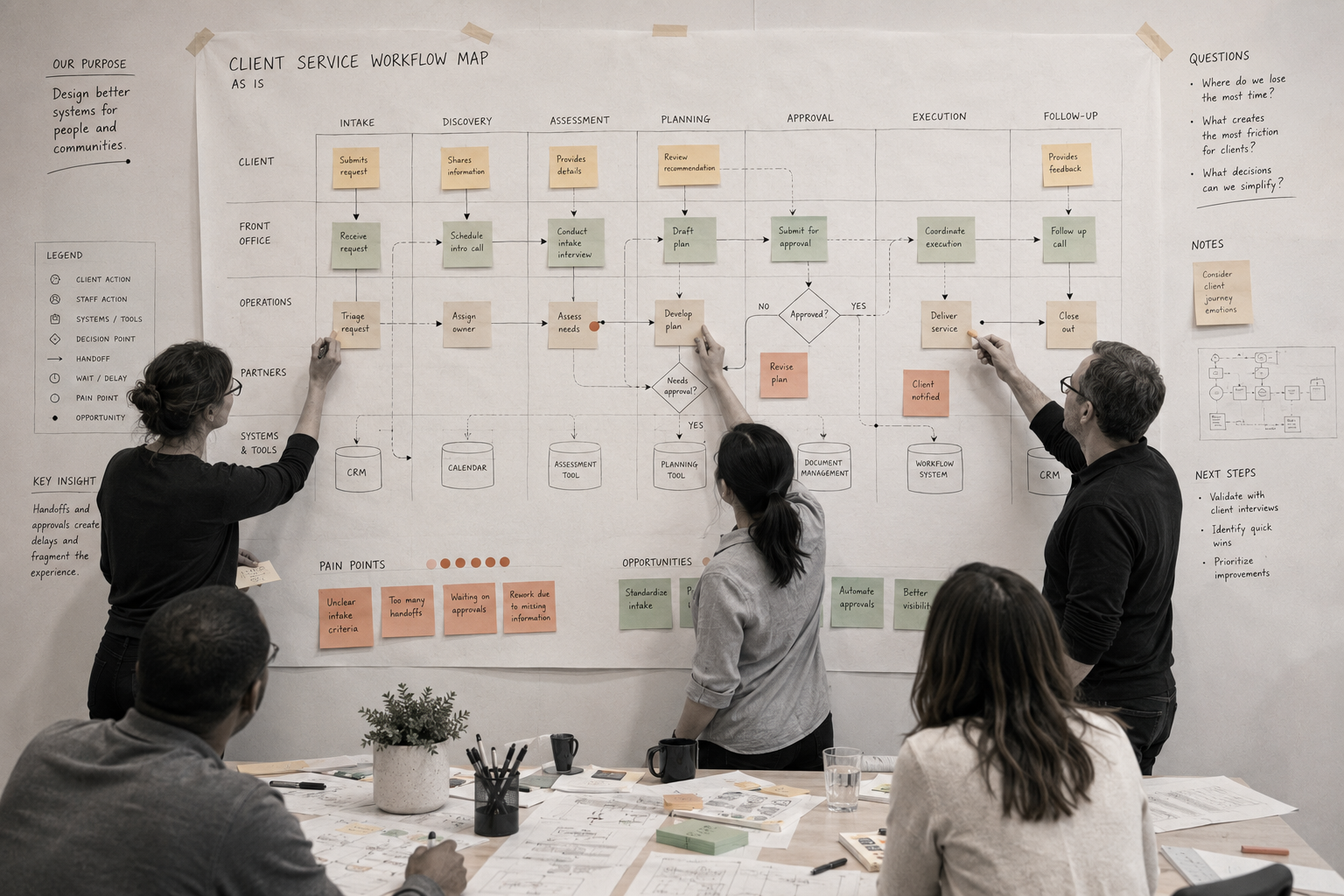
Bring the method to your team
ENID can help investigate how work actually happens, map dependencies, involve affected stakeholders, redesign workflows and roles, evaluate technology decisions, and facilitate implementation.
We can incorporate our contribution into your proposal, project plan, or statement of work so the business experiences one coordinated engagement.
Best when:
the initiative affects multiple teams, roles, or systems
the client’s request may not reflect the underlying problem
adoption depends on changes to the work itself
you need independent research or specialist facilitation
human, operational and technical decisions must be made together
A seamless commercial relationship.
We agree on partnership terms, responsibilities, and boundaries before introductions to stakeholders or the project team.
ENID can provide partner pricing that allows room for client management, administration, delivery risk, and referral value. Partners may incorporate ENID into their own commercial offering, manage client invoicing, and receive a separate invoice from ENID for our contribution.
We are also open to appropriate non-solicitation agreements. Your client remains your client, and you retain the preferred relationship with stakeholders and senior leadership.

From one initiative to an ongoing transformation relationship.
A defined initiative can provide the entry point. Integrative design helps reveal the larger system around it.
ENID helps separate what the client discovers into four categories:
What must be addressed for the current initiative to succeed.
What should be monitored during implementation.
What belongs in a future phase or separate engagement.
What leadership needs to understand about the wider system.
This protects the current scope while giving the client an evidence-based path forward.
You deliver a stronger initiative. The client gains greater clarity. And you become the transformation partner they trust to keep the work going.
FAQs
Does every transformation initiative need ENID?
1
No. A straightforward technical upgrade with stable workflows, clear ownership, and limited effects on people may be managed effectively through conventional program and change management.
ENID becomes valuable when success depends on understanding or redesigning the work system surrounding the initiative—including roles, workflows, decisions, information, technology, and working conditions.
How do I know when to bring ENID into an initiative?
2
Consider bringing ENID in when:
technology has been selected before the work has been studied
the documented process differs from how work actually happens
the initiative crosses several teams, systems, or organizational boundaries
roles, ownership, or decision rights are unclear
adoption is being treated as the problem without examining the system people are being asked to adopt
AI or automation is being added without redesigning the workflow
expected benefits cannot be connected to specific operational changes
critical dependencies are repeatedly being classified as out of scope
you are expected to diagnose the organization while simultaneously managing delivery
The more of these conditions that are present, the more likely the initiative requires work-system design—not just implementation support.
Traditional change management helps people understand, adopt, and sustain a planned change. ENID helps determine whether the planned change fits the work, the people, and the larger organizational system.
We involve affected stakeholders in diagnosing problems and shaping solutions before important assumptions become expensive commitments.
Change management asks, “How do we help people adopt this?”
ENID also asks, “Is this the right change, and what must be redesigned for it to work?”
How is ENID different from a traditional change-management partner?
3
ENID can still help. We examine how the technology will interact with existing roles, workflows, information, decisions, and operational constraints.
This can reveal where the organization needs to simplify work, clarify ownership, adjust responsibilities, create safeguards, or redesign the implementation approach before deployment.
What if the business has already selected the technology?
4
What if employees are resisting the change?
5
Resistance can indicate a communication or knowledge gap, but it can also signal a design problem.
People may understand the new system and still find that it creates unnecessary work, removes needed discretion, conflicts with existing responsibilities, or fails to support real operating conditions.
ENID helps distinguish an adoption problem from a work-design problem so the program does not rely on additional communication and training to compensate for a system that does not fit.
How does ENID strengthen the business case?
6
ENID connects proposed investments to the operational changes required to produce value.
We help identify:
which work should be eliminated, simplified or redesigned;
which roles and decisions must change;
which dependencies could prevent the expected outcome;
where automation may create additional verification or coordination work;
how human, operational and technical results should be measured.
This gives sponsors a clearer explanation of how the initiative will create value—not simply what technology it will deliver.
How does ENID help reduce program risk?
7
We investigate the system before assumptions become requirements, configurations, or implementation commitments.
Earlier evidence can reduce:
avoidable rework
poorly defined requirements
missed dependencies
stakeholder conflict
adoption problems caused by poor work design
technology that fails to address the underlying need
benefits that cannot be measured or realized
Will ENID expand the project beyond its agreed scope?
8
Our purpose is to protect the scope, not inflate it.
We separate discoveries into four categories:
What must be addressed for the current initiative to succeed.
What should be monitored during implementation.
What belongs in a future phase or separate engagement.
What leadership should understand about the wider system.
This allows the team to address critical dependencies without turning every discovery into an immediate deliverable.
How can the partnership lead to additional client work?
9
A specific initiative often reveals connected operational, organizational, or technical needs. ENID helps document those needs and determine which are supported by sufficient evidence.
The result may be a prioritized roadmap for future work. The business can then decide what to pursue next based on demonstrated need—not a generic attempt to extend the engagement.
You deliver a stronger initiative, give leadership greater clarity, and become the partner they trust to continue the work.
What is the simplest way to determine whether I need ENID?
10
Ask four questions:
Do we understand how the work actually happens?
Have the people affected helped define the problem and shape the solution?
Can we connect the proposed change to measurable operational and human outcomes?
Do we know which surrounding conditions must change for the initiative to succeed?
If any answer is uncertain, talk with ENID before the program makes decisions that will become difficult or expensive to reverse.
Our Ideal Partners
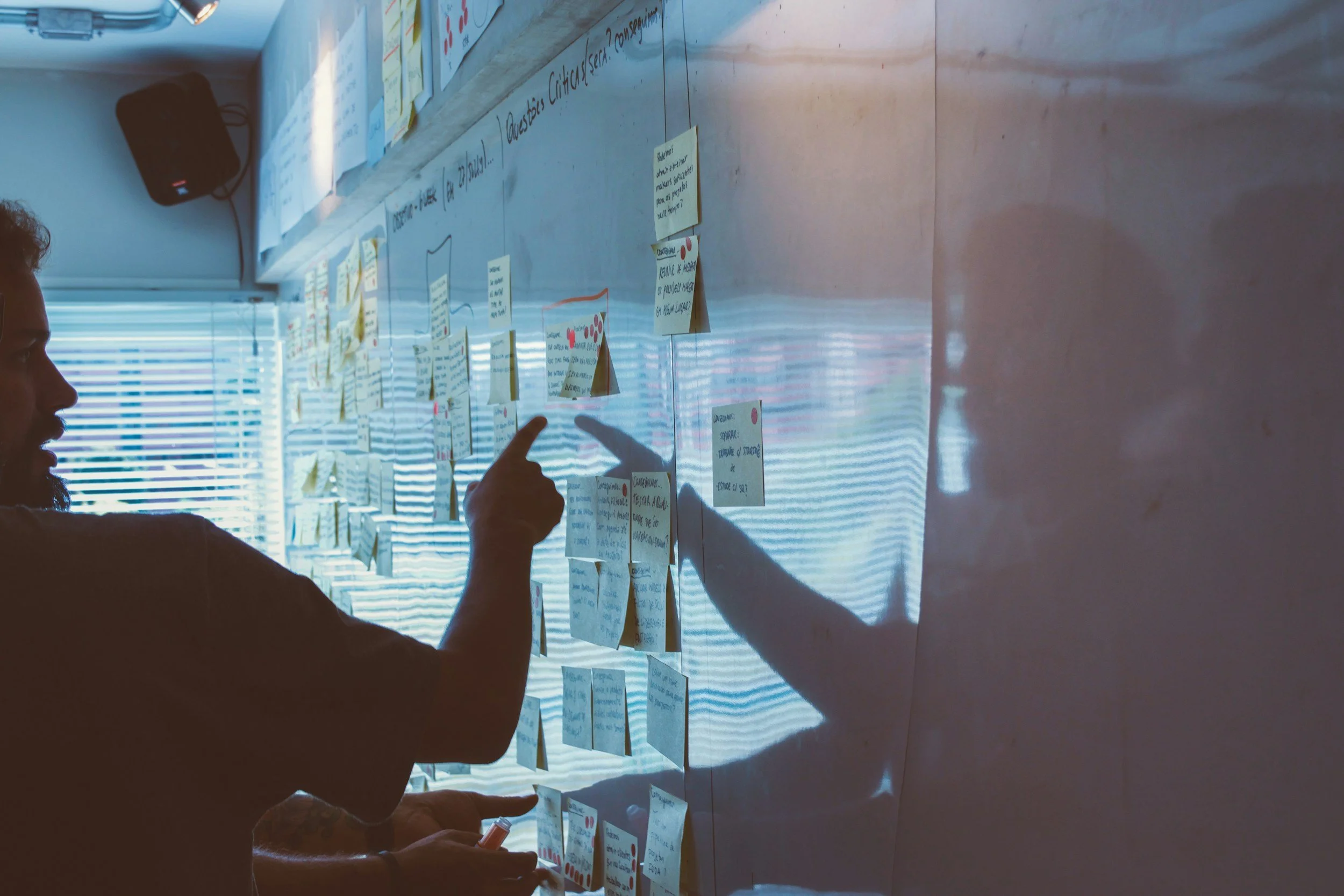
ENID is a strong complement to independent, fractional, and in-house leaders responsible for complex change, including:
transformation and program managers
operations transformation leaders
AI transformation directors
workplace and employee-experience strategists
chief product officers and product leaders
service-design and customer-experience leaders
organizational-change and technology-adoption specialists
You do not need to become an expert in every aspect of work-system design. Bring ENID in where deeper research, participatory design or integrative thinking will strengthen the engagement.
Deliver the initiative. Understand the system. Earn the next opportunity.
Talk with ENID about an active engagement, private coaching, or a workshop for your team.