
Integrative Design
Most service-oriented organizations invest heavily in new technology and processes, only to find that adoption stalls, workarounds proliferate, and the anticipated value never fully materializes.
What's missing isn't more technology—it's a clear, evidence-based understanding of how people actually experience and navigate the systems they're asked to work within. Without this, organizations are optimizing for what they assume is happening rather than reality.
An integrative approach starts from a different question than most traditional change methods. Instead of asking, "How does this system technically work?" we ask, "How do the people inside this system actually experience it?"
Our approach surfaces the gap between designed and lived systems
Every organization has two systems—the one that was designed and the one people actually use to get work done (the workarounds, the shadow processes, the informal relationships that make things function).
Systems mapping makes both visible because that's where the real opportunity for innovative transformation lives.
We work with clients as partners to map a high-level view of how people, technology, and business systems currently work together across your organization. This broad map creates a shared, evidence-based picture—surfacing where friction, workarounds, and misalignment are actually occurring, rather than where they're assumed to be.
It starts with lived experience, not org charts

Traditional change methods often start with process flows, technical architecture, or reporting structures. An integrative approach starts by talking with the people who use the system every day (frontline staff, customers, and managers) to understand what they actually do, think, and struggle with, not just what the process documentation says should happen.
Iterative and low-stakes by design.
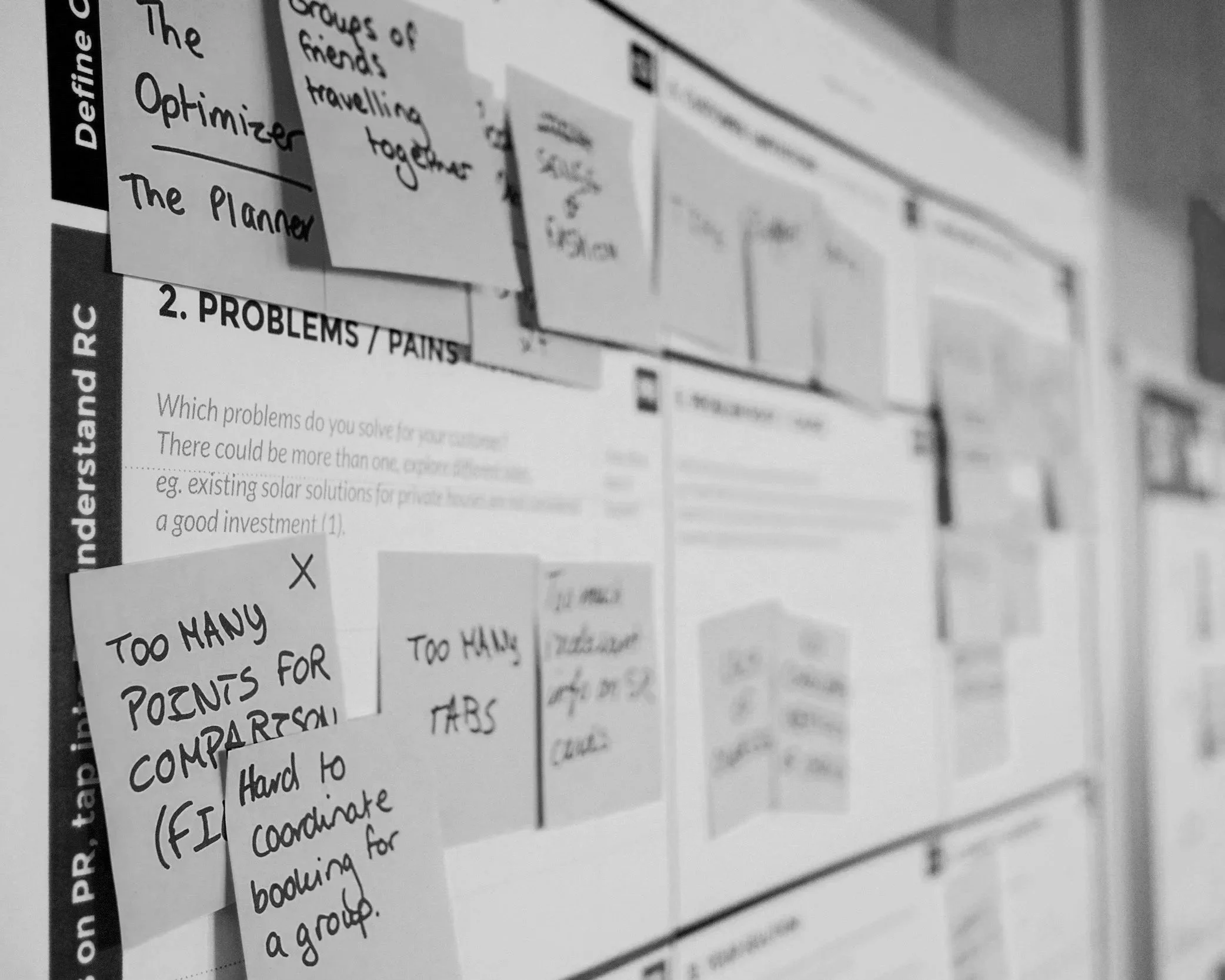
Using a big-picture view, we facilitate a focused, collaborative session where your team narrows in on the specific aspect of the system with the highest-value opportunity for improvement. Rather than trying to fix everything at once, the decision sprint zooms from the broad system map into a scoped starting point backed by evidence.
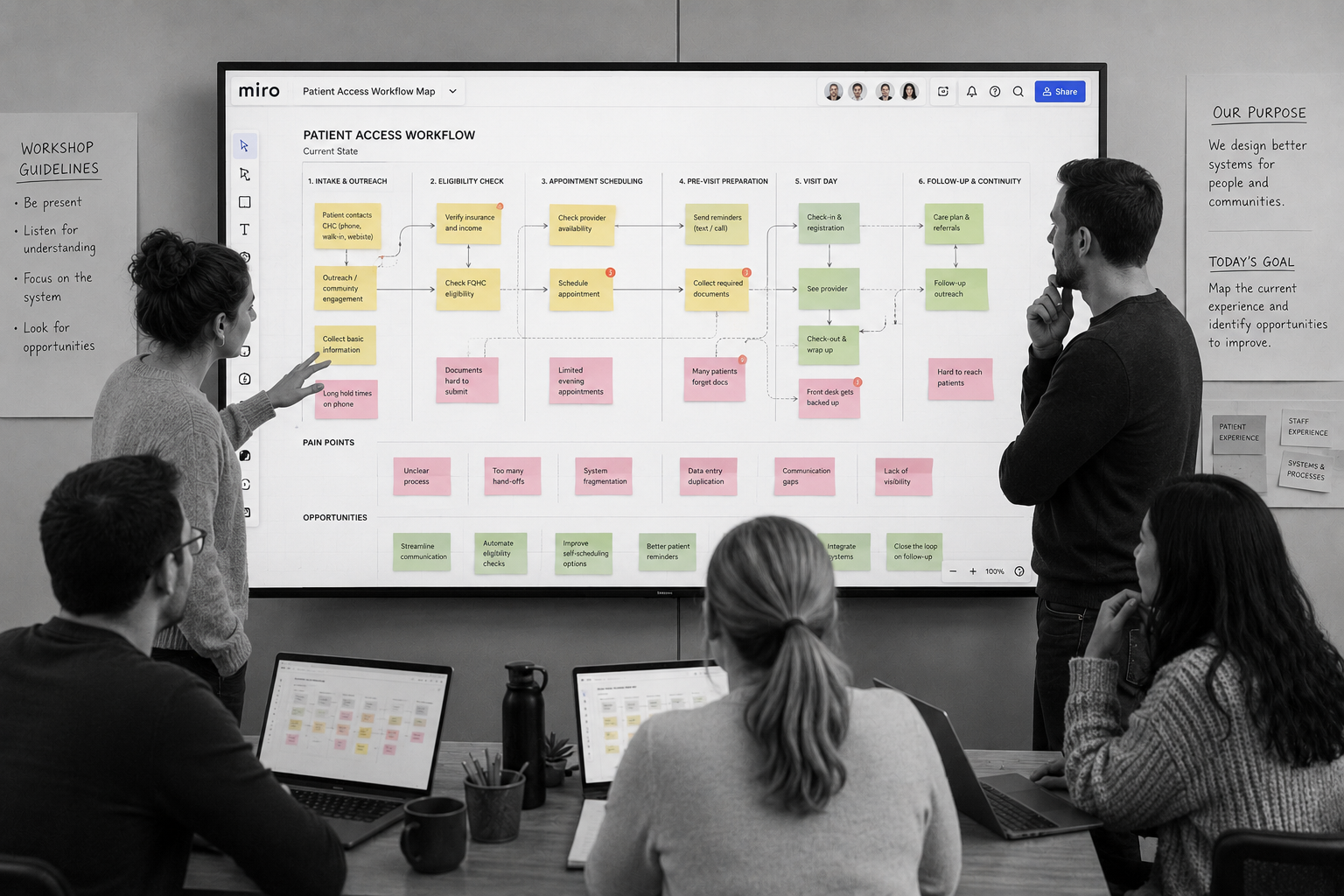
Builds shared language across roles.
Because the mapping process itself involves people from different parts of the system (not just analysts or consultants), it creates a shared vocabulary and shared ownership of the findings—which matters enormously when it's time to actually act on what the map reveals.
The core shift is this: Systems mapping usually treats people as inputs or outputs of a process. Human-centered systems mapping treats people as the lens through which the whole system becomes legible in the first place.
Outcome-Based, Action-Oriented
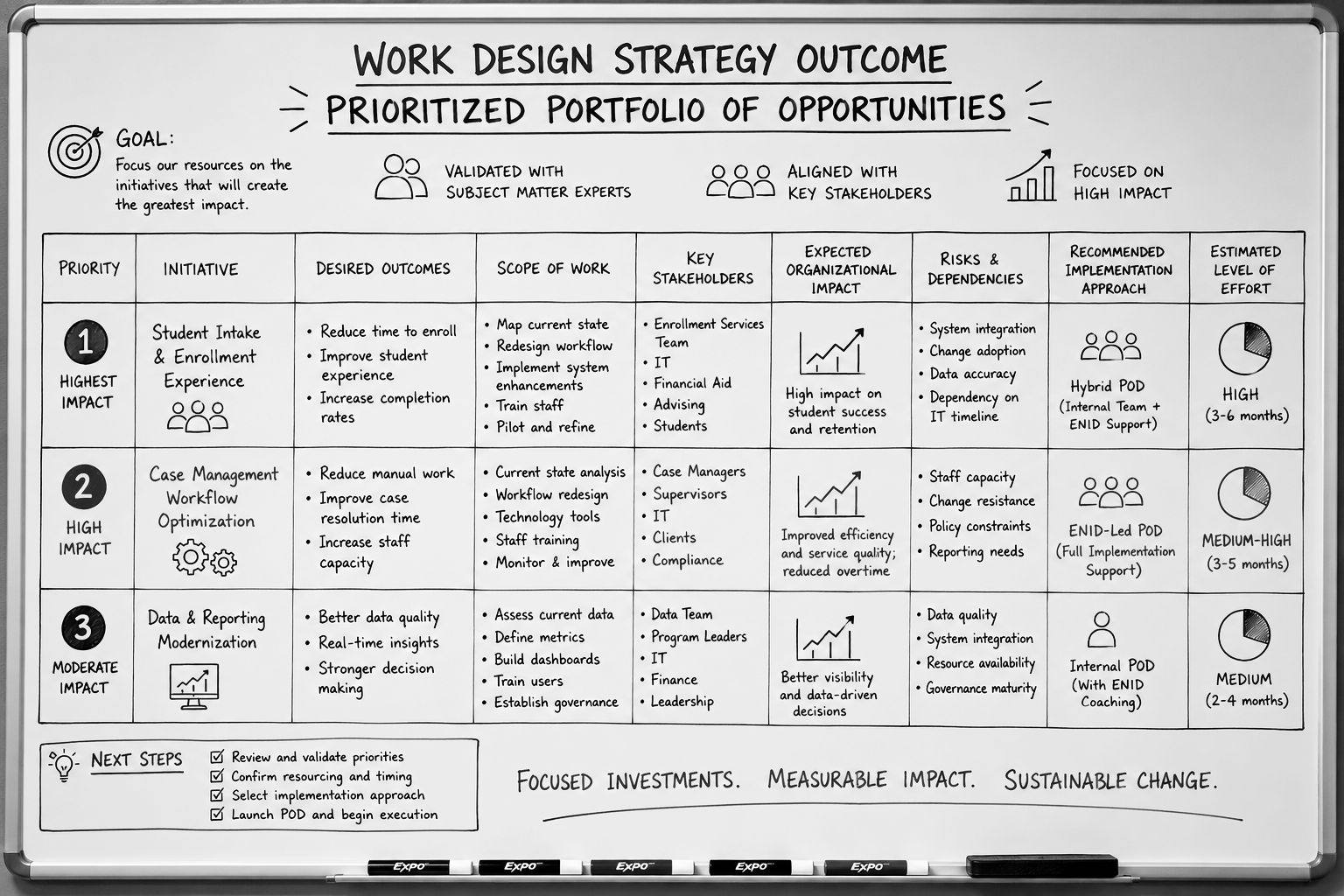
We work with our clients to form small, dedicated three-person teams that work within a defined timeframe to build prototypes and run real-world experiments. Each team is scoped to a specific outcome and staffed to move fast, test assumptions, and generate evidence before scaling any solution organization-wide.
This approach keeps organizational change low-risk and evidence-based: small experiments, dedicated teams, and clear scopes mean you learn what works before committing broader resources—building lasting organizational capability rather than one-off technology rollouts.
OPERATIONS TRANSFORMATION →
Operations transformation can include:
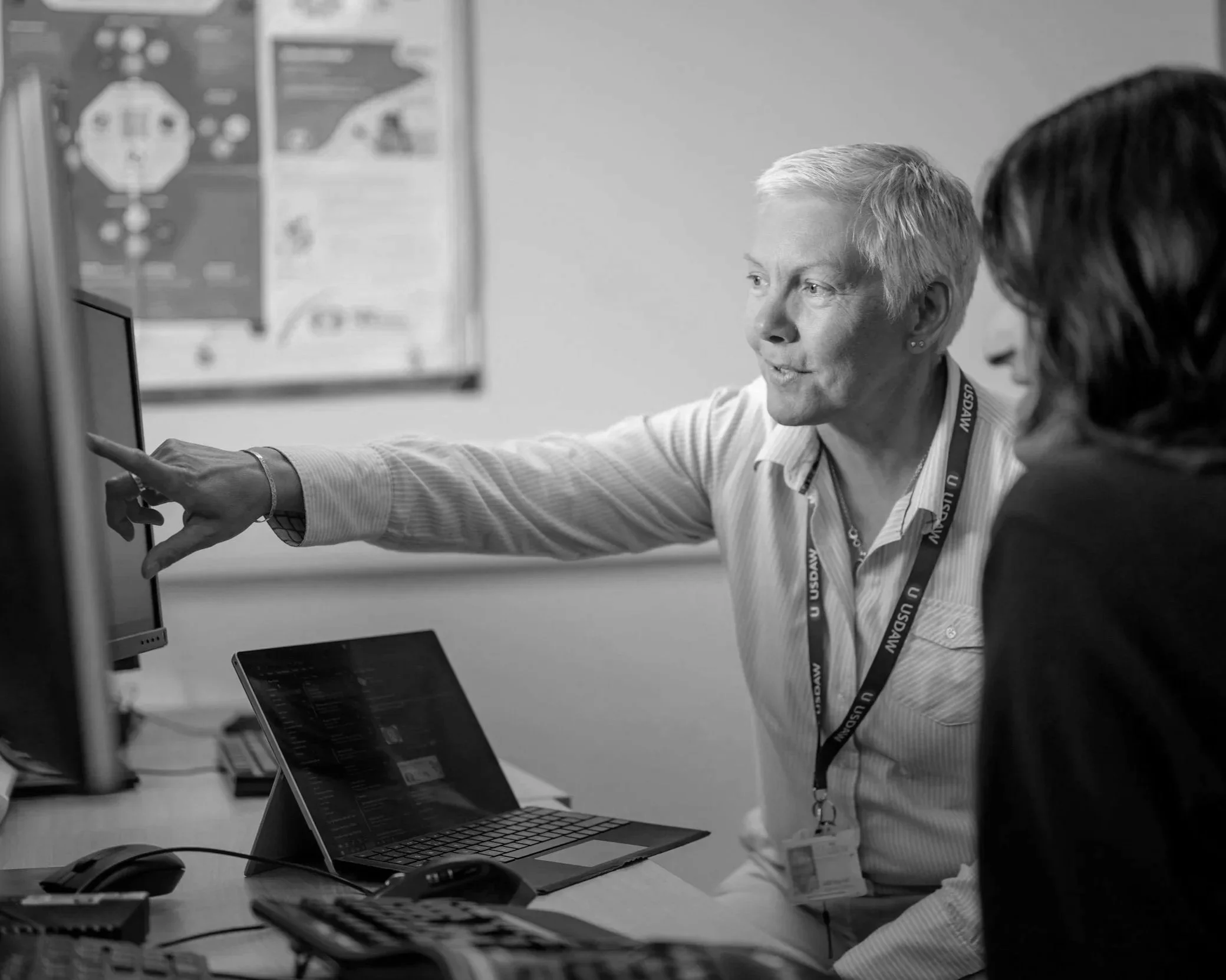
Building and testing AI agents for specific workflows.
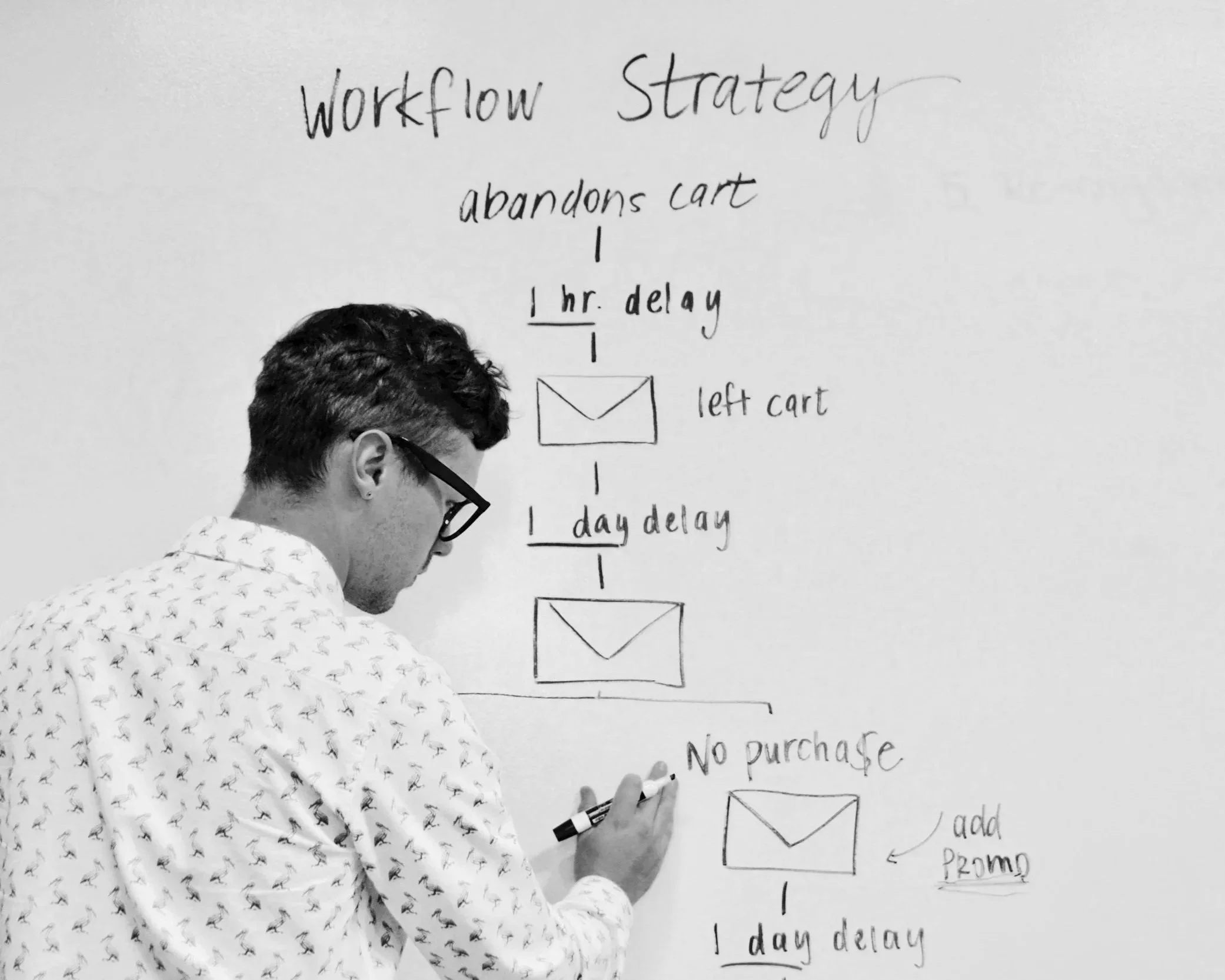
Workflow automation design and prototyping.
Responsible AI governance frameworks and guardrails.
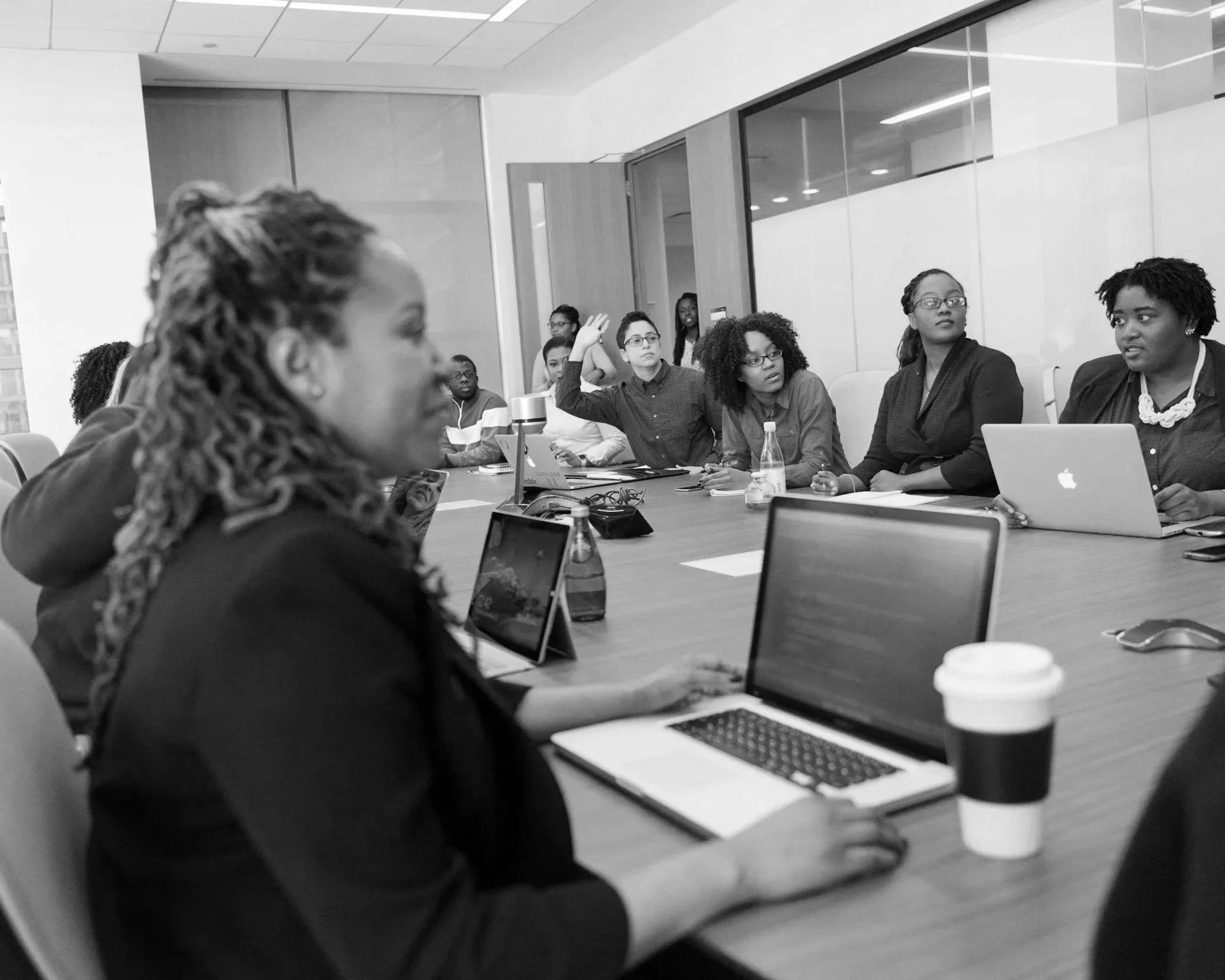
Redesigning meetings and decision-making structures.
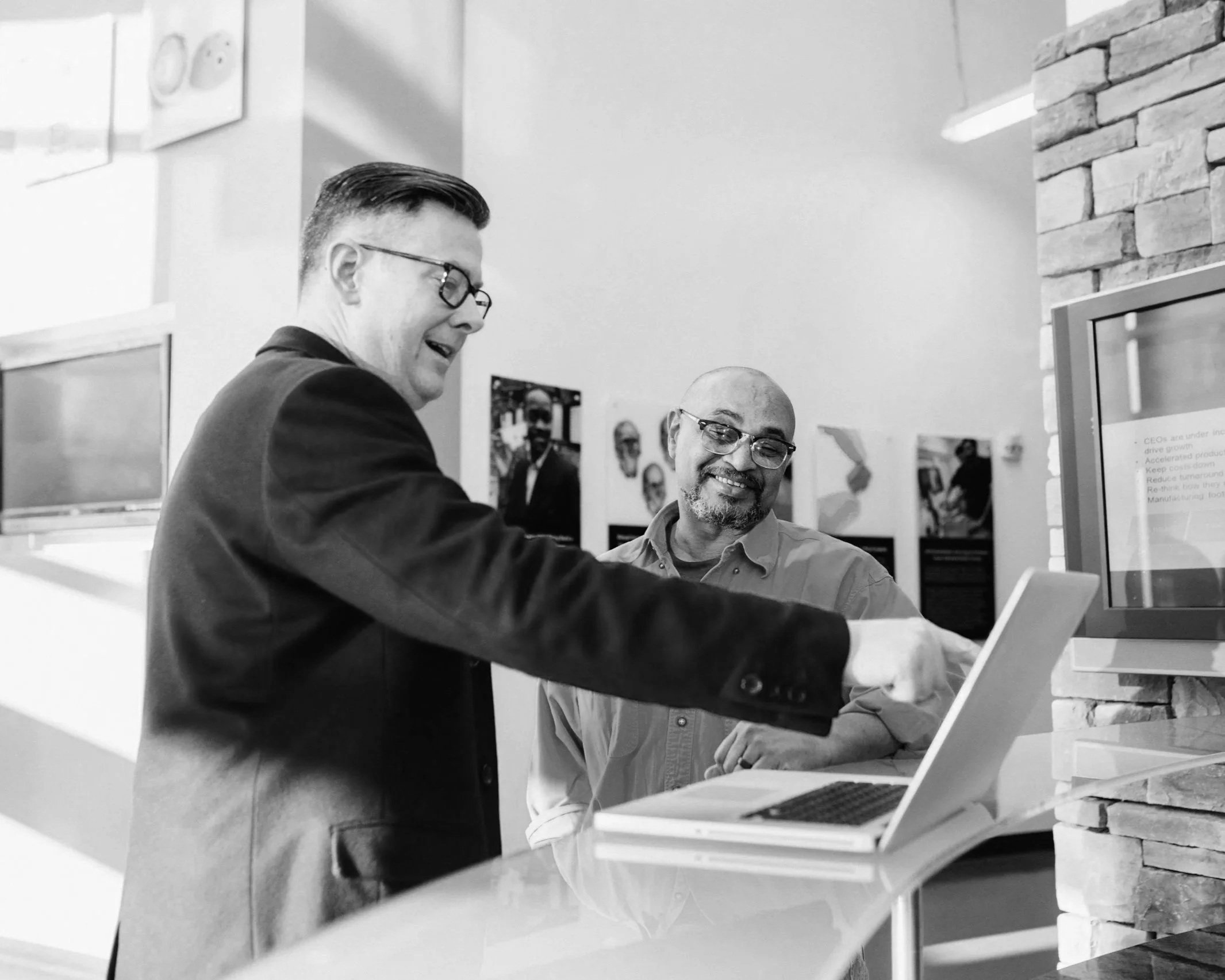
Evaluating and piloting off-the-shelf software solutions before full-scale adoption.
Let’s Work Together
If you're interested in working with us, complete the form with a few details about your project. We'll get back to you within 48 hours.