
Participatory Design
A Smarter Approach to AI Implementation, Organizational Transformation, and Business Process Improvement
Organizations invest millions in AI, workflow automation, digital transformation, and operational improvement initiatives every year.
Many still struggle to achieve the expected return on investment. The problem is rarely the technology itself. The problem is introducing new technology into systems that were never designed to support the outcomes the organization is trying to achieve.
At ENID Studio, we use participatory design to improve organizational performance by helping leaders make better investment decisions before implementation begins.
Participatory Design Isn't About Consensus
Participatory Design improves the quality of the information available before decisions are made.
Instead of relying on assumptions, leaders gain evidence gathered from the people who understand how work actually happens.
Leadership remains responsible for:
Setting strategy
Prioritizing investments
Managing risk
Allocating resources
Making decisions
Why Organizational Change Often Fails
Organizations usually fail because decisions are made using incomplete information. Leadership sees strategy. Technology teams see systems. Operations teams see processes. Frontline employees experience the day-to-day realities of delivering work. Customers experience the outcome. Each perspective is valuable. None of them tells the whole story.
Participatory Design helps organizations build a shared understanding before major investments are made.
Most organizations begin digital transformation by selecting technology.
We begin by understanding the organization.
Through our approach to integrative design, we identify:
Operational bottlenecks
Workflow inefficiencies
Decision-making challenges
Knowledge gaps
AI opportunities
Automation opportunities
Governance considerations
Organizational capability
This evidence helps organizations determine where AI and workflow automation will create measurable business value—and where they won't.
Better Organizational Assessments Lead to Better AI Investments
Designing Better Systems Creates Better Business Results
Organizations rarely solve operational challenges by asking employees to work harder.
They solve them by designing better systems.
Poorly designed work creates:
Duplicate effort
Unnecessary approvals
More meetings
More reporting
Increased management overhead
Lower technology adoption
Higher implementation costs
Participatory Design helps organizations redesign work before investing heavily in technology.
The result is better adoption, lower implementation risk, and stronger long-term organizational capability.
Why Participation Reduces Risk
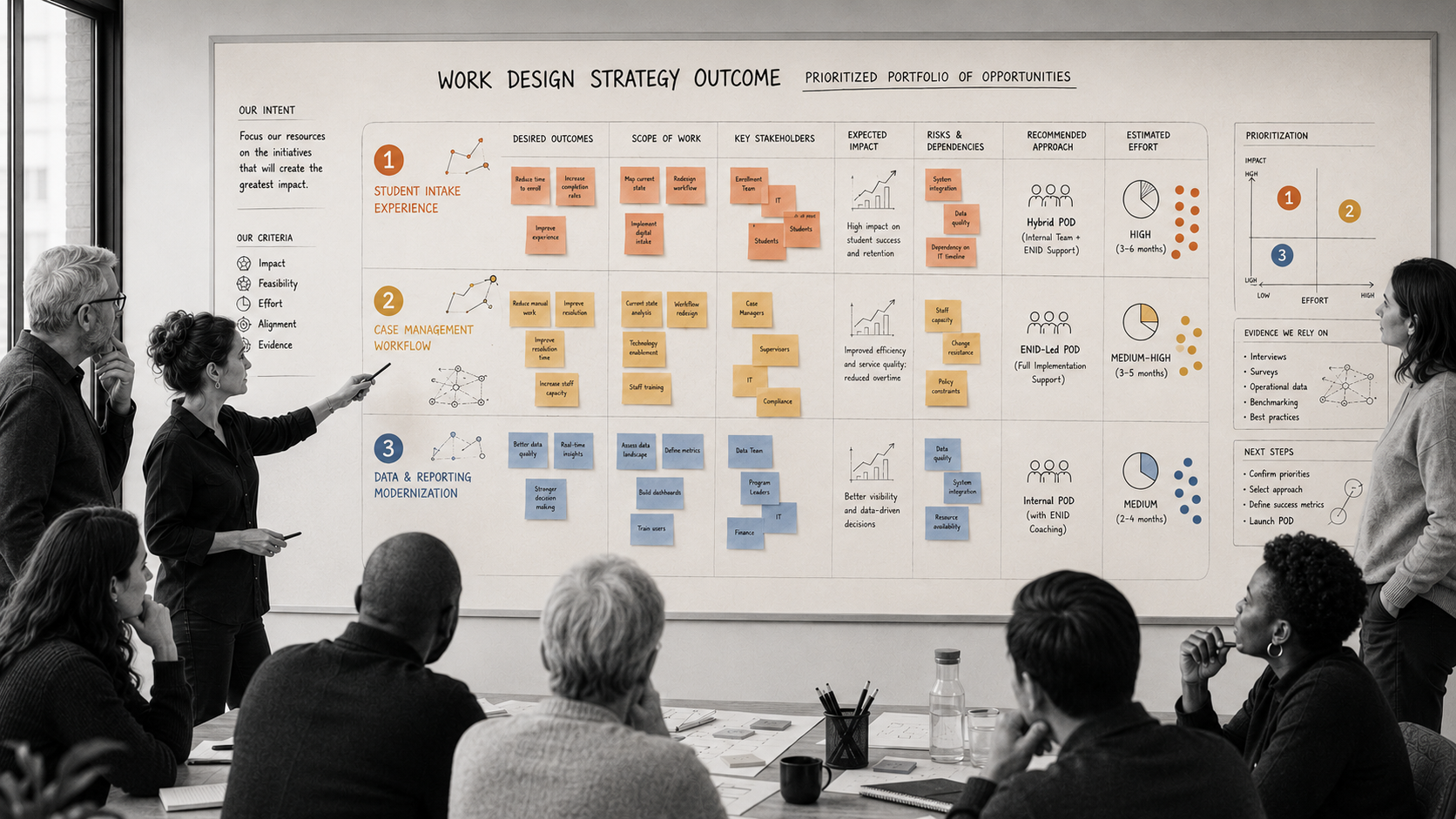
Involving employees in how change is implemented is one of the least expensive forms of risk management available.
When you involve the people closest to the work early, leaders identify operational realities before investing millions in new systems.
This reduces the risk of:
Implementing the wrong technology
Automating ineffective processes
Poor employee adoption
Expensive rework
Unnecessary customization
Governance challenges
Compliance issues
Future transformation programs
Finding these issues before implementation is almost always less expensive than correcting them afterward.
OPERATIONS TRANSFORMATION →
Co-Designing Better Ways of Working:
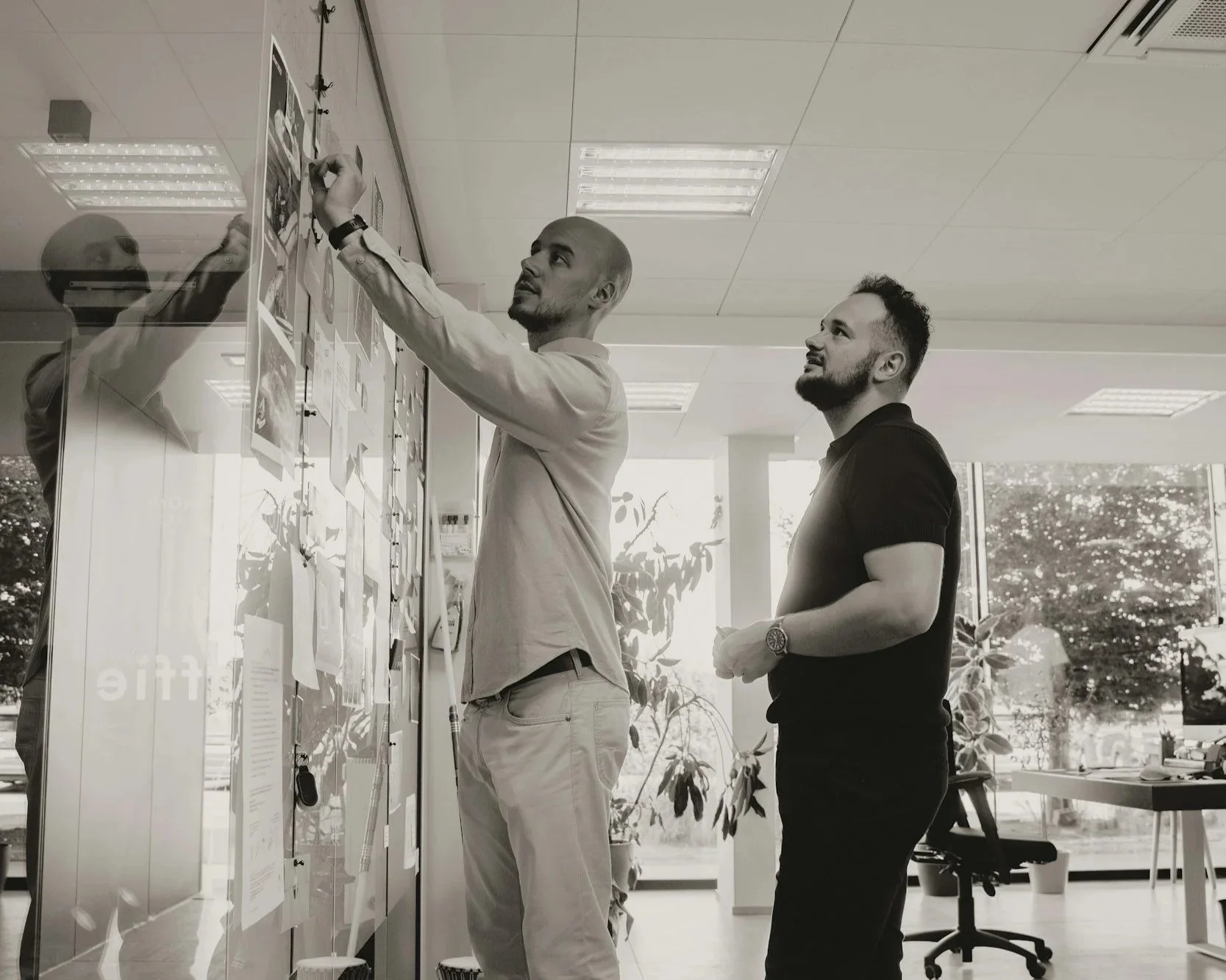
Understanding the Current System
Goal: Build a shared understanding of how work actually happens.
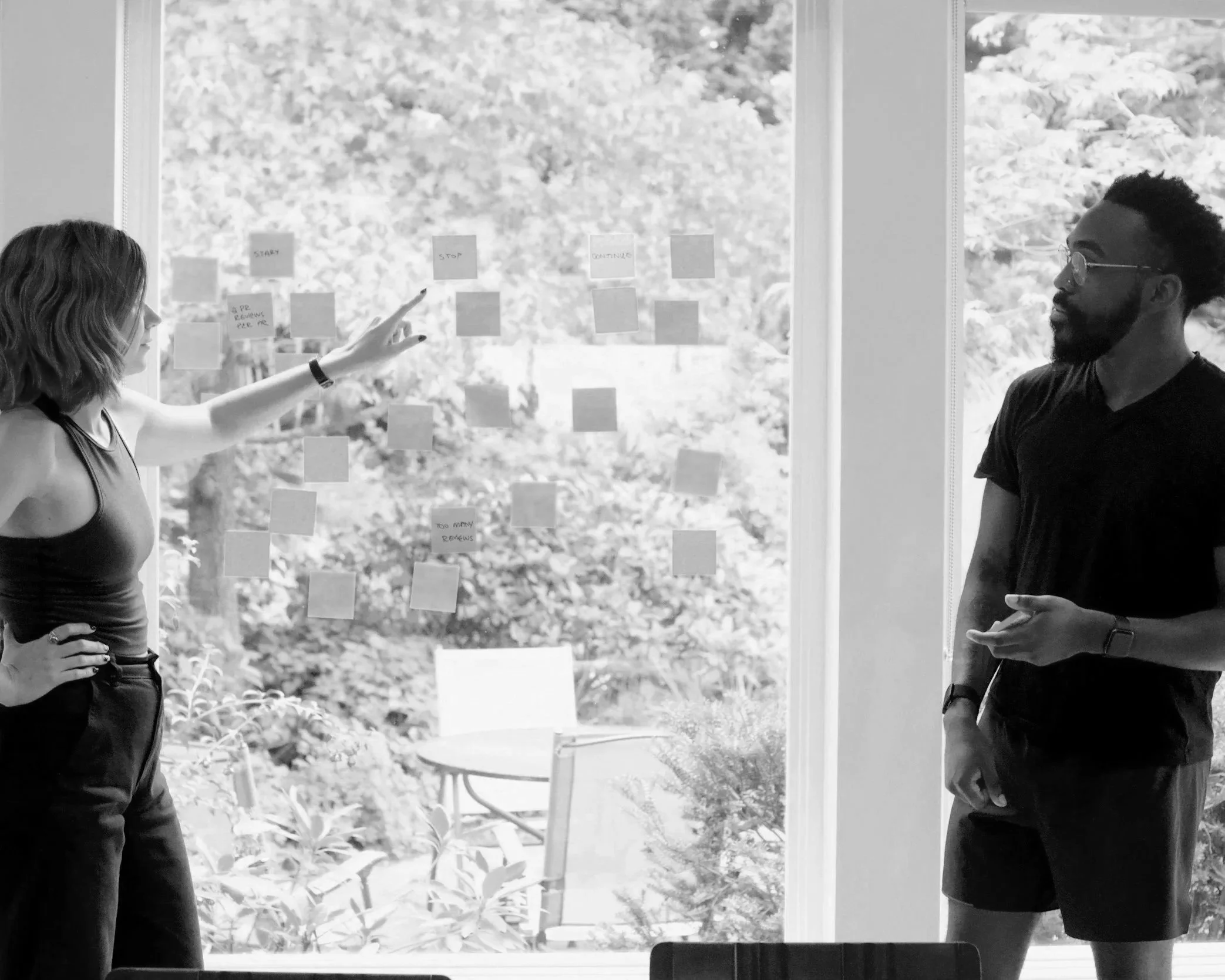
Making Invisible Work Visible
Goal: Capture knowledge that rarely appears in documentation.
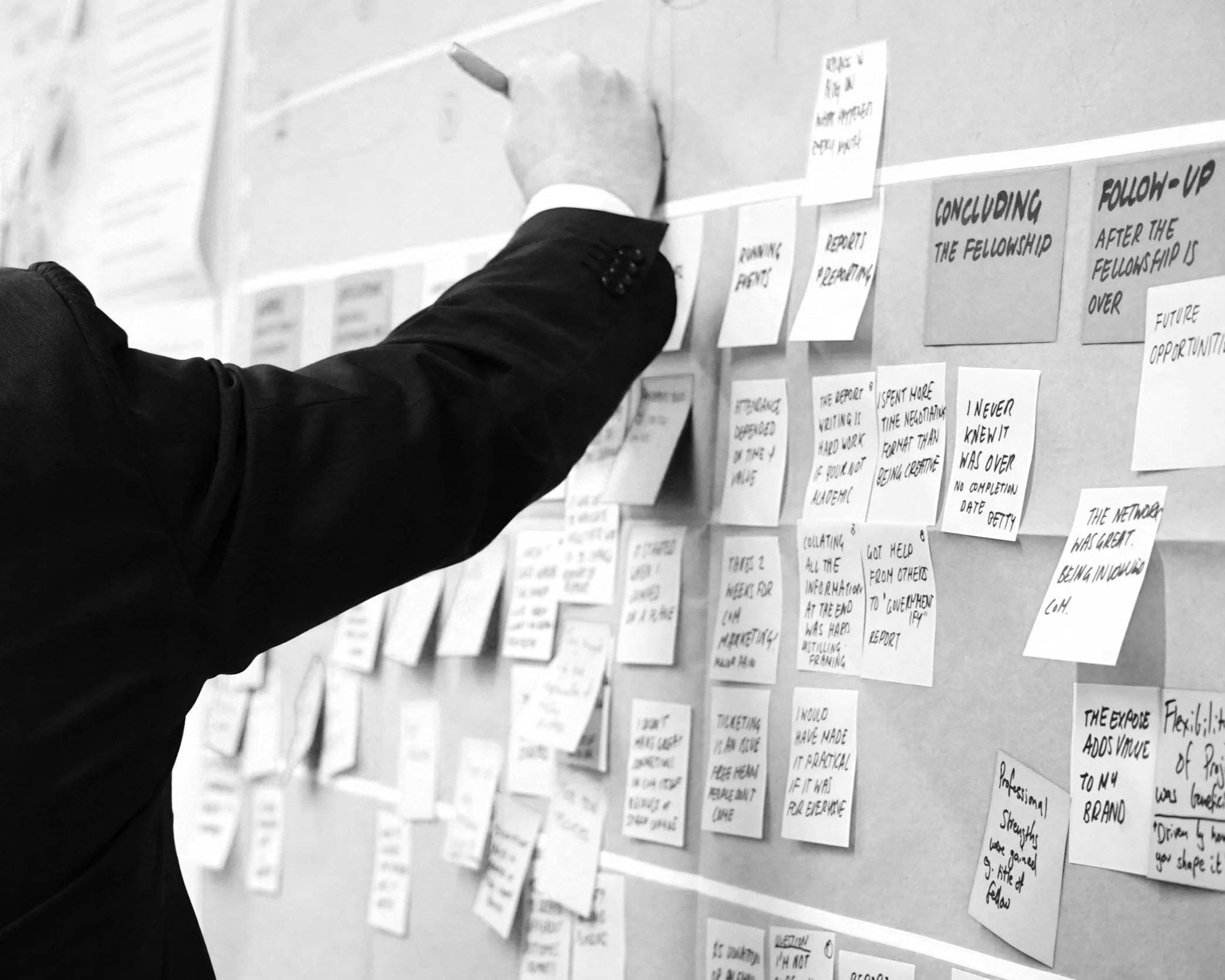
Defining Desired Outcomes
Goal: Agree on what success looks like.

Redesigning Roles & Responsibilities
Goal: Organizations change because work changes.

Evaluating Technology
Goal: Technology decisions become collaborative rather than isolated.
Let’s Work Together
Organizations that take the time to understand how work actually gets done often spend less time correcting problems later.